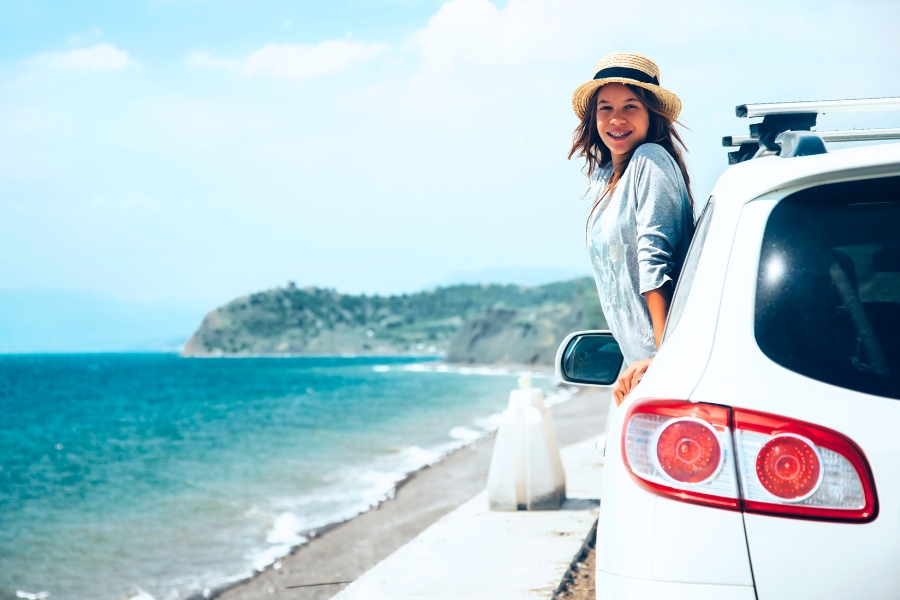
Imagine setting off beneath the brilliant sapphire sky, the warm Caribbean air rushing through the windows as the scents of sea salt and blooming hibiscus fill the car. This is the unique thrill of driving around the small island of Saint Martin, the only island in the world where two European nations—the Netherlands and France—share a border without dispute. This island loop offers a stunning juxtaposition: the energetic, commercial pulse of the Dutch side, Sint Maarten, giving way to the quiet, gastronomic charm of the French side, Saint-Martin, all connected by a single, winding coastal road.
This guide outlines the perfect self-guided coastal road trip, ensuring you experience the best beaches, the finest culinary stops, and the most intriguing cultural landmarks that define this remarkable dual-nation destination. The journey promises both thrilling adventure and tranquil solitude, revealing that the true heart of the Caribbean is often found where cultures meet and merge. The transition between Sint Maarten and Saint-Martin is entirely seamless, marked only by subtle signage and a language change. You will not encounter any passport control or border checks, allowing for effortless exploration.
The drive officially begins and ends in Philipsburg, the vibrant and energetic capital of the Dutch side of Sint Maarten. This city serves as the island's economic engine, largely driven by its bustling cruise port. Before heading out, take a moment to explore Front Street, renowned for its duty-free shopping. Here, you can find everything from jewellery and electronics to fine spirits, all offered at tempting prices, making it a hub of commerce and activity. The architecture here tends towards brightly coloured, colonial Dutch styles, though often overlaid with modern commercial development, reflecting its history as a strategic trading post.
Just steps from the shops lies Great Bay Beach, paralleled by a wide, well-maintained boardwalk. This area is the heart of the capital’s recreational life. The atmosphere is undeniably busy and vibrant, particularly on days when multiple cruise ships are docked. The beach itself offers soft, white sand and gentle, turquoise waters, perfect for an initial swim or simply watching the parade of people, from local vendors to international tourists, strolling along the waterfront. This initial stop sets the tone for the Dutch side: commercial, efficient, and oriented towards lively entertainment. It is a necessary immersion into the bustle before seeking out the quieter corners of the coast.
Leaving the central bustle of Philipsburg, the road ascends into the hills, providing visual rewards for you. A must-stop is the Cole Bay Hill viewpoint. While often overlooked by those rushing between the airport and the capital, it offers one of the most comprehensive and beautiful panoramic views on the island. From this vantage point, the entirety of the Simpson Bay lagoon unfurls below, dotted with superyachts, and the dramatic, volcanic peak of the neighbouring island of Saba rises distinctly from the horizon. This is a moment to appreciate the scale of the island and its dramatic geography.
Continuing the eastward swing, the landscape softens, and the pace slackens as you head towards the Atlantic-facing coastline. This transition brings you to Dawn Beach and Oyster Pond, which represent the quieter, more secluded Eastern edge of Sint Maarten. Dawn Beach, true to its name, is known for spectacular sunrises and faces the open Atlantic, meaning the surf can be a little more robust than on the sheltered bays. Oyster Pond is equally interesting, a large, protected lagoon that serves as a marina, offering a beautiful contrast between the calm, boat-filled waters of the lagoon and the rugged Atlantic coastline just a stone’s throw away. This area feels more residential and peaceful, acting as a gentle buffer before the dramatic West Coast begins.
The drive continues its loop, leading back towards the bustling Simpson Bay area, home to the most internationally recognised beach on the island: Maho Beach. This is the place of the world-famous landing strip, where large commercial jets approach Princess Juliana International Airport (SXM) just metres above the heads of sunbathers. This is not a relaxing beach stop; it is a full-throttle, unforgettable spectacle. Visitors gather at the edge of the sand to witness the thunderous landings and, for the brave, to experience the blast of jet exhaust during takeoffs.
Fortunately, tranquillity is never far away in Sint Maarten. Just around the corner from Maho’s cacophony lies Mullet Bay Beach. This is a local favourite and a perfect example of a protected, classic Caribbean bay. The water here is typically calm and crystal clear, making it ideal for swimming and snorkelling. It is the perfect cool-down stop, offering a serene contrast to the sensory overload of Maho. After soaking up the sun and calm waters here, the final stretch of the loop takes you back toward Philipsburg, completing the Dutch leg of the journey and preparing you for the subtle but profound shift awaiting you across the border.
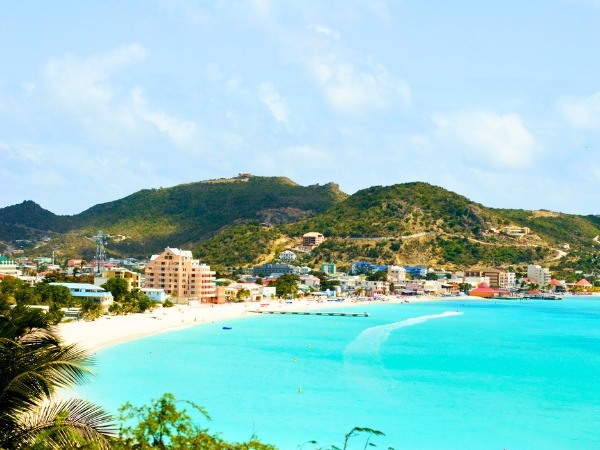
The transition into the French side, Saint-Martin, is an experience in subtlety. There is no checkpoint, merely a small monument and a change in the aesthetic vocabulary of the island. Suddenly, the street signs switch to French, the architecture adopts a more reserved, often pastel-coloured style reminiscent of the Mediterranean, and the euro becomes the standard currency, though US dollars are universally accepted. This effortless crossing highlights the spirit of amity that defines the island.
The first major stop on the French side is the magnificent Orient Bay. Known to many as the "French Riviera of the Caribbean", this long, stunning stretch of sand offers a distinctly European beach experience. It is lined with stylish beach bars and restaurants, each offering loungers, cocktails, and music, fostering a lively and sophisticated atmosphere. The bay is also a popular hub for watersports, from jet-skiing to parasailing. It is important to note that the southern end of Orient Bay has long been known as a clothing-optional section, catering to an open-minded audience. This beach perfectly embodies the French dedication to joie de vivre—the joy of living—in a sun-drenched setting.
Continuing northwards along the coast brings you to Grand Case, a small fishing village that has deservedly earned the title of the Caribbean’s culinary capital. This modest settlement transforms at night into a paradise for food enthusiasts, offering a remarkable range of dining experiences packed into one main street. The soul of Grand Case lies in its "Lolos", which are traditional, local roadside BBQ shacks. These establishments are instantly recognisable by the tantalising smoke and the scent of jerk seasoning, wood-smoked ribs, and fresh snapper wafting through the air. They offer authentic, affordable Creole and Caribbean cuisine served with generous portions of rice and peas or plantain.
In stark contrast, Grand Case also hosts some of the region's finest dining restaurants, often featuring French-trained chefs who blend European techniques with fresh, local seafood. A coastal drive here is incomplete without pausing for a lengthy lunch or a memorable dinner, allowing the atmosphere and the aromas to envelop you. The commitment to quality ingredients, whether at a casual Lolo or a formal bistro, is what elevates Grand Case above other culinary destinations in the Caribbean.
Further south and west, you reach Marigot, the petite capital of the French side. Marigot offers a more reserved, less frantic atmosphere than Philipsburg, feeling more like a sleepy European coastal town that wakes up for its market days. The city is dominated by Fort Louis, a short but steep hike that is absolutely worthwhile. From the fort’s ruins, one is rewarded with commanding, cinematic views of Marigot Bay, the lagoon, and the distant outline of the neighbouring island of Anguilla. The fort itself is a historical artefact, reminding visitors of the island’s past as a contested territory, though its modern purpose is simply to offer a spectacular vista.
Down below the fort, the heartbeat of the town is the Marigot Market, best visited early in the morning, particularly on Wednesdays and Saturdays. Here, vendors sell a rainbow of fresh, tropical produce, local spices like vanilla and cinnamon, handmade crafts, and freshly caught fish. The market provides a sensory insight into the daily life of the French side, a place where conversation flows easily and the rhythm of the island is tangible. The surrounding streets also offer quaint boutiques and patisseries where one can enjoy an authentic French croissant or pastry.
The final segment of the French coastal itinerary delves into the exclusive and beautifully serene Terres Basses, or "The Low Lands", which occupies the entire southwestern corner of Saint-Martin. This area is characterised by quiet, well-maintained roads and impressive luxury villas, offering a glimpse into the island's high-end seclusion. This is where you find some of the island's most beautiful and least-crowded beaches.
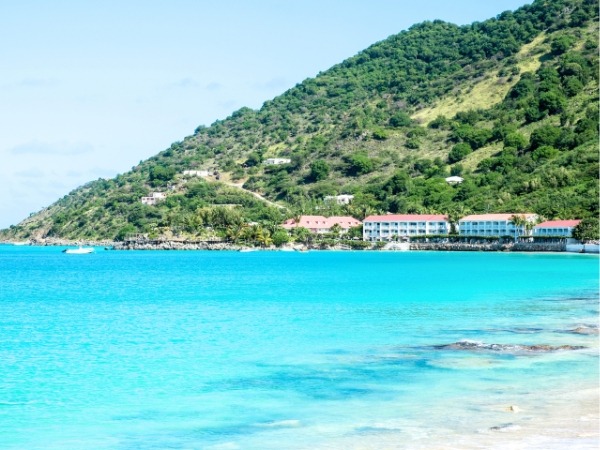
Baie Rouge, or Red Beach, is a dramatic coastal stop, named for the deep reddish-pink hue of its cliffs that contrast brilliantly with the turquoise sea. It is a stunning spot for photography and for swimming in the typically calm waters. Just beyond this area, the road leads to Baie Longue, or Long Bay, which runs almost the entire length of the exclusive Terres Basses peninsula. This beach is the very definition of a quiet Caribbean escape. With its long, undisturbed stretch of white sand and the absence of major resorts, it is the perfect final stop for those seeking genuine tranquillity and reflection before closing the loop and heading back towards the bustle of the Dutch side.
To rent a car on the island, you must be at least 21 years old and possess a valid national driver’s licence from your home country. While an International Driving Permit (IDP) is not strictly required for most visitors, having one can be helpful for identification purposes should any issues arise. You also need to present a credit card in your name for a security deposit. It is important to always keep your driving documents and a copy of your passport readily available, though routine checks are uncommon.
Road conditions can be variable across the island. While the main coastal routes are generally paved and navigable, some of the smaller side roads, particularly on the French side's hills, can be narrow, winding, and poorly maintained. You must be prepared for unexpected potholes and drive defensively, as local drivers often have a more aggressive style than visitors might be used to. Maintaining a cautious speed is the best policy.
One of the biggest challenges for drivers is traffic, particularly around specific hotspots. Expect major congestion around the Simpson Bay Bridge, especially during the hours the bridge is opened for boat traffic, and throughout the Philipsburg area when multiple cruise ships are docked. The Maho Beach area, while spectacular, is also a constant source of slow traffic due to the sheer volume of sightseers. It is wise to factor these delays into the overall travel time, particularly if you have an appointment or flight to catch.
Regarding signage and navigation, the main coastal ring road is straightforward to follow, but when exploring inland or looking for specific beaches, signage can be inconsistent, especially at the border and in rural areas. It is highly recommended to use an offline GPS map application on your smartphone, as mobile data coverage can be patchy and costly. Having a reliable navigation system ensures you do not miss any of the secluded beaches.
Parking is another logistical consideration that requires planning. It is generally limited and challenging in the downtown areas of Philipsburg and Marigot, particularly during market days or high cruise traffic. In these towns, it is best to utilise designated paid parking lots or look for street parking slightly away from the immediate city centre. When visiting beaches, parking is often informal and free, though it may be restricted to designated sections along the sand access roads.
While traversing the entire island, it is important to remember where to find fuel. Gas stations are far more common and easily accessible on the Dutch side, Sint Maarten. They are generally less frequent on the French side, especially along the more remote coastal stretches. It is a prudent measure to fill up the tank fully before crossing deep into the territory of Saint-Martin to avoid the inconvenience of searching for petrol.
The coastal drive around Sint Maarten and Saint-Martin is much more than a scenic route; it is a compact cultural and geographical odyssey. In a single day, you move effortlessly between the vibrant territory of the Netherlands and the relaxed territory of France, experiencing everything from the adrenaline rush of a jet landing to the quiet seclusion of an uninhabited bay.
The island presents a stunning tapestry of contrasting landscapes—busy boardwalks give way to secluded coves, and Creole smoke houses sit metres from gourmet French restaurants. The entire journey is a continuous lesson in the beauty of duality and the harmonious blend of Caribbean, Dutch, and French influences. The ease of navigation and the incredible variety packed into such a small area make this island one of the Caribbean's most rewarding destinations for travellers.
To truly capture the essence of this dual-nation loop, a rental car is not merely an option—it is an absolute necessity, offering the freedom to unlock every beautiful corner of this unique Caribbean gem. Rent a car from Final Rentals today and begin your coastal journey!