The island of Saint Martin, from its Dutch to its French counterpart, may cover only thirty-seven square miles, but this small landmass is packed with steep volcanic hills, hidden turquoise coves, and world-class culinary destinations that are nearly impossible to reach via public transport.
To truly experience the magic of the Friendly Island, on both Sint Maarten and Saint-Martin, you must be willing to rent a car and drive. However, for many visitors, the prospect of navigating two different nations with distinct currencies and refuelling customs can be daunting. Understanding the nuances of the island’s gas stations is essential for a stress-free holiday.
Refuelling in Saint Martin is a vastly different experience from the self-service kiosks found in much of Europe or North America. By mastering the local landscape, you ensure that your holiday budget is spent on fine dining in Grand Case or shopping in Philipsburg rather than unnecessary penalties.
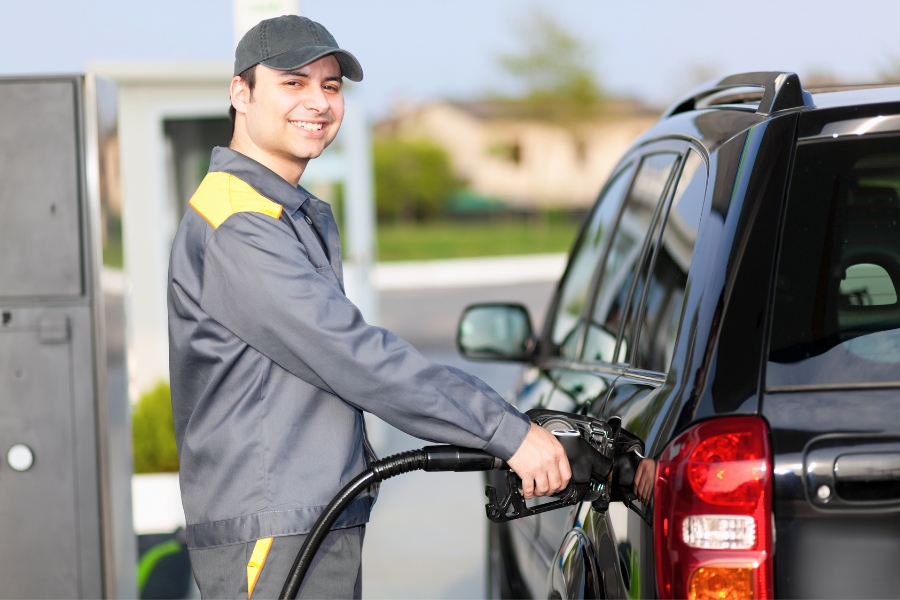
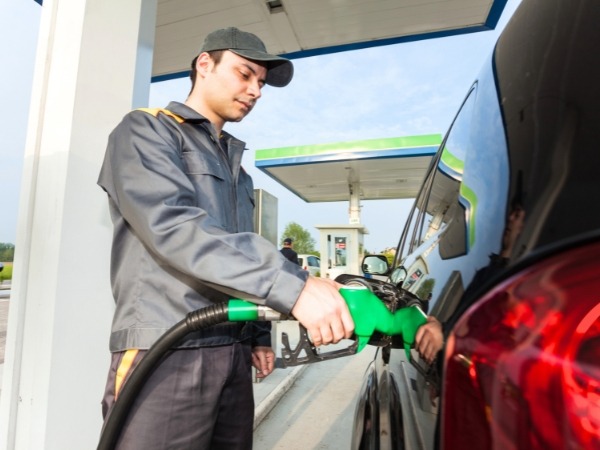
On both sides of the island, gas stations are almost exclusively full-service. When you pull into a station, you should remain in your vehicle. A uniformed attendant will approach your window to take your order. It is helpful to decide beforehand whether you want a full tank or a specific monetary amount. Simply stating "Full, please" or "Twenty dollars, please" is sufficient to get the process started.
While the service is convenient, it is important to be mindful of the island’s pace of life. During peak daytime hours, stations near major hubs like Simpson Bay or Marigot can become quite busy. The attendants work quickly, but the heat and humidity of the Caribbean mean things move at a steady, rhythmic pace.
Beyond the service itself, keep in mind that measurement units on the island follow the metric system. Fuel is sold by the litre rather than the gallon. For those accustomed to US gallons, it is helpful to remember that one gallon is roughly equivalent to three point seven eight litres, which will help you estimate the total cost of a fill-up.
Most rental agencies on the island operate on a full-to-full policy. This means you will receive the vehicle with a brimming tank and are expected to return it in the same condition. Failing to do so often results in the rental company charging an exorbitant per-litre rate, sometimes double or triple the market price, plus an additional service fee.
For tourists used to modern self-service pumps, the full-service model at an island gas station can be unfamiliar. To ensure a smooth transaction, follow these simple steps when you arrive at the station.

The Dutch side of the island, Sint Maarten, is the commercial heart of the territory. Here, you will find several large, modern stations in areas like Cole Bay, Simpson Bay, and Philipsburg. One of the most common points of confusion for tourists on the Dutch side is the currency display on the fuel pumps. Prices are legally required to be listed in Antillean Guilders, also known as Florins. However, the island’s economy is effectively dual-currency, and almost every station accepts US Dollars without hesitation.
When you look at the pump and see a figure that seems alarmingly high, do not panic. The exchange rate is fixed at 1 US Dollar to 1.8 Antillean Guilders. If the pump shows a total of 36 guilders, you are actually paying 20 dollars. Most attendants will automatically perform this conversion for you when they bring the card machine or ask for cash.
While major credit cards are widely accepted at Dutch-side stations, it is always a good idea to have some smaller denominations of cash for a smoother transaction. Additionally, since the attendants provide a service that includes pumping your fuel and often cleaning your windscreen, a small tip of 1 or 2 dollars is considered polite and is highly appreciated by the local staff.
Crossing the border into the French side, Saint-Martin, brings a change in atmosphere and a change in currency. Officially, the French side operates in Euros, and the prices at the pump will reflect this. For savvy travellers, the French side often presents a unique financial opportunity known as the dollar for euro parity. Many established stations frequently offer a one-to-one exchange rate for customers paying in cash. This means that if your fuel total is 40 Euros, they will accept 40 US Dollars in cash, which represents a significant saving given the traditional strength of the Euro.
The payment methods on the French side are generally robust, with a preference for European chip and pin cards. While American and Canadian cards usually work, they can occasionally be rejected by older terminals or trigger fraud alerts from your bank. Carrying cash is the safest way to ensure you can pay for your fuel, especially if you want to take advantage of the parity rates. Culturally, the French side places a high value on formal greetings. Before you state your fuel requirements, a simple "Bonjour" to the attendant will establish a friendly rapport and is considered an essential part of local social etiquette.
To ensure your journey remains smooth and your return to the airport is stress-free, please keep the following essential tips in mind:
Refuelling in Saint Martin is a manageable part of the adventure as long as you remain aware of the local differences between the two sides. On the Dutch side, Sint Maarten, remember that the guilder is the official unit on the pump, but the dollar is the king of transactions. On the French side, Saint-Martin, look for the cash parity deals that allow you to pay in dollars for euro-denominated fuel.
In both cases, the full-service model of the stations means you can sit back and enjoy the air conditioning while the work is done for you. By keeping an eye on the clock to avoid bridge openings and maintaining at least a quarter tank of fuel, you can navigate the island with total confidence.
Having your own vehicle allows you to escape the crowded cruise ship zones and discover the authentic side of the island at your own pace. If you have not yet secured your transportation, now is the time to act. Rent a car from Final Rentals and give yourself the gift of mobility. The roads of Sint Maarten and Saint-Martin are waiting to lead you to your next favourite view, and with this guide in hand, you are fully prepared to keep your journey moving forward.