
Sint Maarten, with its picturesque beaches and vibrant, dual-nation culture, is a destination that truly calls for exploration beyond the confines of a resort. To fully experience the island’s beauty, from the bustling shops of the Dutch capital to the serene shores of the French side, a rental car is virtually indispensable. However, the competitive car rental market surrounding Princess Juliana International Airport (SXM) and Philipsburg is notorious for employing tactics that can quickly turn an affordable trip into an expensive nightmare.
This article serves as a comprehensive, step-by-step guide designed to equip travellers with the knowledge necessary to secure a fair and transparent car rental agreement, effectively avoiding the most common local scams and ensuring a worry-free experience on this beautiful Caribbean island.
The foundation of a scam-free rental begins long before arrival, at the booking stage. It is important to search for reputable companies and carefully scrutinise the rental agreement, especially the price breakdown, insurance coverage, and fuel policy.
Thorough research and vetting of the rental agency are non-negotiable. While large international chains offer reliability, they often come with higher airport concession fees. Established, highly-rated local operators can be excellent, but diligence is key. You must check recent customer reviews, paying particular attention to feedback specifically concerning damage claims and the prompt and complete deposit refund process.
Negative reviews consistently mentioning unexpected charges or disputes over pre-existing damage are a severe warning sign, and that company should be immediately disregarded. Comparing experiences across multiple platforms will provide a more accurate picture of an agency’s true operating standards.
Aside from checking reviews, another important factor to focus on is the rental fee quoted by the company. Exercise extreme caution regarding unrealistically low headline rates. If a rental deal appears significantly cheaper than every competitor, it is highly likely a trap. This low price is the "bait", designed merely to secure your booking, with the intention of recovering the cost—and adding profit—through mandatory charges revealed only at the counter. You must search for the complete rate, explicitly demanding the total breakdown inclusive of all mandatory taxes, airport surcharges, and basic insurance fees. Never settle for the appealing daily base price alone.
The insurance trap is arguably the most lucrative scam. Travellers are often told by counter agents that several insurance fees are "mandatory". However, only the basic Third-Party Liability (TPL) insurance is legally required to be included in the vehicle’s base rental rate in Sint Maarten. Agents try to upsell additional policies, usually a Collision Damage Waiver (CDW) or a Supplemental Liability Insurance (SLI).
To defeat this, you must understand your own insurance coverage before arriving on the island. Check with your personal auto insurance provider, your credit card company, or an independent third-party insurer. Armed with this knowledge, you can firmly and confidently decline any policies you do not need, stating clearly that you will rely on your existing coverage.
Another major area of deceit is the fuel policy. The scam involves the rental agency inflating the price for a prepaid fuel option, or, more commonly, charging the full price for a tank of fuel regardless of the amount returned. The agent may argue it saves time, but it invariably costs the customer money. To avoid paying for the company’s inflated fuel price, always choose the "Full-to-Full" policy. This contractual agreement obligates you to return the vehicle with the fuel gauge at the same level it was when you collected it.
Beyond insurance and fuel, you must be wary of other sneaky surcharges. Picking up a vehicle directly at Princess Juliana International Airport (SXM) almost always incurs a concession fee or airport surcharge, often an extra 10 to 15 per cent of the total bill. If an agency operates both an airport desk and an off-site office, consider taking a complimentary shuttle to the off-site location to bypass this fee. Furthermore, decline unnecessary add-ons such as GPS units or satellite radio. Most modern smartphones function perfectly well for navigation, and using your personal device eliminates another potential charge.
Ensuring the security of the booking and payment process is vital. Booking the vehicle well in advance is advisable, particularly during peak season, as true last-minute deals on popular, well-maintained vehicles are rare. Waiting until the last moment increases the chance of being steered toward a less scrupulous operator with poor-quality vehicles.
Most importantly, always use a credit card for both the booking and the security deposit. A credit card provides a layer of consumer protection and the crucial ability to dispute fraudulent or unwarranted charges post-rental, a safeguard unavailable when using cash or a prepaid debit card. This step is the most powerful tool for fighting back against unfair claims.
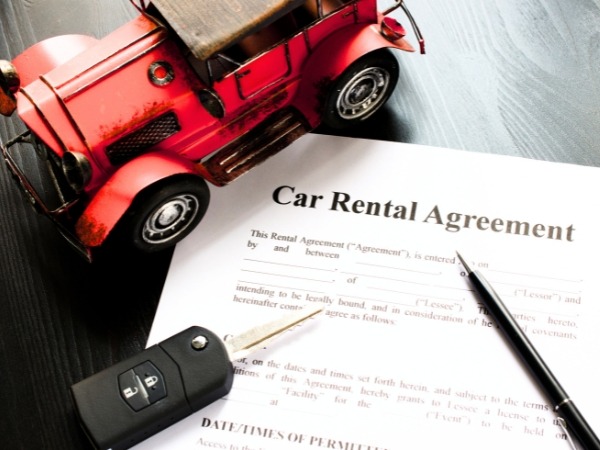
The inspection stage, when you collect the vehicle, is the critical moment for preventing fraudulent damage claims upon return. Thorough documentation will save you from many common scams.
The pre-rental damage scam is particularly prevalent in high-volume tourist destinations like Sint Maarten. Two common local tactics include the rocker panel scam, where damage to the lower part of the car body, visible only when stepping back and squatting down, is overlooked during the rush of collection, and the passenger side door-lock scam, involving claiming a minor, pre-existing scratch or tampering near the passenger door lock—an area almost always missed during the initial inspection.
To secure complete protection, you must inspect the car carefully. Do not accept the keys without thoroughly documenting the vehicle’s existing condition. This involves taking a detailed video and numerous close-up photos of the entire vehicle in the presence of the rental agent before driving off the lot.
Focus the documentation specifically on common areas of existing wear: the tyres and rims, the rocker panels, the windscreen, door edges, the roof, and every scratch, dent, or mark, no matter how insignificant it may seem. Crucially, you should ensure the agent accurately marks all observed existing damage on the official contract or inspection report. Never sign a document that falsely claims the car is spotless if visible imperfections exist.
Before leaving the premises, perform a quick check of the car’s functionality. Ensure the lights, indicators, wipers, and air conditioning are working efficiently, as a vehicle that breaks down due to poor maintenance may incur an unjustified "repair" or "recovery" charge. Confirm the presence of a spare tyre or a functional repair kit, as stipulated in the contract. This thorough fifteen-minute inspection is the best defence against potentially hundreds of pounds in false damage charges later.
The final line of defence against scams occurs during the return stage. Make sure to inspect the vehicle again and get a confirmation that you have returned the car in good condition before leaving.
Never drop the vehicle and keys without a final inspection. You should walk around the car with the rental agent, confirming both the fuel level and that no new damage has occurred during the rental period. As with the collection, take final photographs and video documenting the car’s condition at the drop-off location. These final images should capture the odometer reading and the gas gauge, providing irrefutable proof of the condition and usage at the moment the keys were relinquished.
The next administrative step is to obtain the final paperwork. Insist on receiving a copy of the final, signed inspection report clearly stating that the vehicle was returned without any new damage and that the rental is completed. This document is a legal receipt and your ultimate insurance against any subsequent fraudulent charges made weeks later.
Following the trip, you must monitor your credit card statement for the next several days. This is to ensure the security deposit is released promptly and that no unexpected or disputed charges appear. If a charge is identified that pertains to damage or fees already covered or previously disputed, immediately contact the credit card company to file a chargeback, providing the final signed inspection report as evidence.

The success of a scam-free car rental in Philipsburg rests entirely on the preparation and documentation you undertake. Booking wisely, reading every clause in the fine print, and meticulously documenting the vehicle’s condition are the three indispensable pillars of defence. By adopting these preventative strategies, you can transition from being a potential victim to a smart, informed traveller who commands the transaction. A little preparation and vigilance go a long way, allowing you to focus fully on enjoying the beautiful island of Sint Maarten worry-free.
Drive smart, drive safe, and enjoy everything Philipsburg and Sint Maarten have to offer! Ready to explore? Don't let fear of scams hold you back. Secure your rental car today by booking via the Final Rentals website or mobile app, which can be downloaded from Google Play or the App Store.